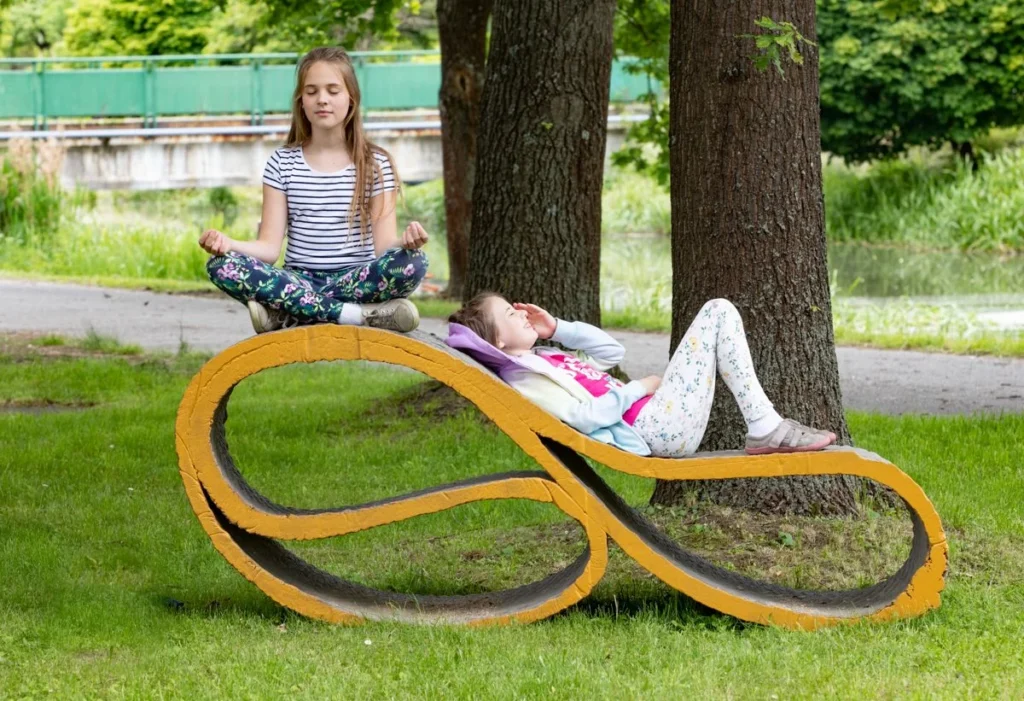
The thirteenth edition of the Art in the City exhibition project brings another innovation, one that aims to bring contemporary art still closer to people, so that it becomes an inseparable and natural part of their lives. It can entertain them, make their day better, but also draw attention to questions that are moving the world and shaping our future. At the same time it wants to help cultivate urban space, which should be as pleasant and as inspiring a place to live as possible.
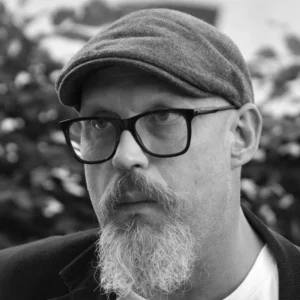
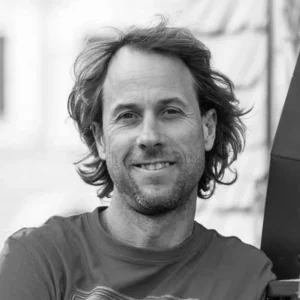
“Time flows like water,” says the festival's founder and curator Michal Trpák, only half in jest, of the change and of the choice of theme. “Since 2008, when we first presented our project to the public, a great deal has been achieved. Over the years we have gradually brought almost the entire top tier of Czech sculpture to České Budějovice — established artists as well as talented graduates of the art schools. Later we widened our reach beyond the South Bohemian capital and began exhibiting in other towns in the region — Hluboká nad Vltavou, Veselí nad Lužnicí, Bechyně, Černá v Pošumaví, Týn nad Vltavou and Lipno. And now the time has come to move on again.”
The main change this time is conceptual. From this year on, each edition should have its own name, which also serves as its main theme and as a key to interpretation. It shows in practically everything: it shapes the choice of artists, the choice of individual works and even where they are placed. An overarching theme also makes it easier for viewers to “read” the meaning of the works. “We hope that a thematic focus will add a new quality to Art in the City,” Michal Trpák explains. “An exhibition project that used to be wide open will take on a more unified shape; it will be more concentrated and more layered in meaning. That too could attract further attention, change and refresh the face of the whole event and bring an influx of new visual energy.”
AQUA, AQUA, AQUA…
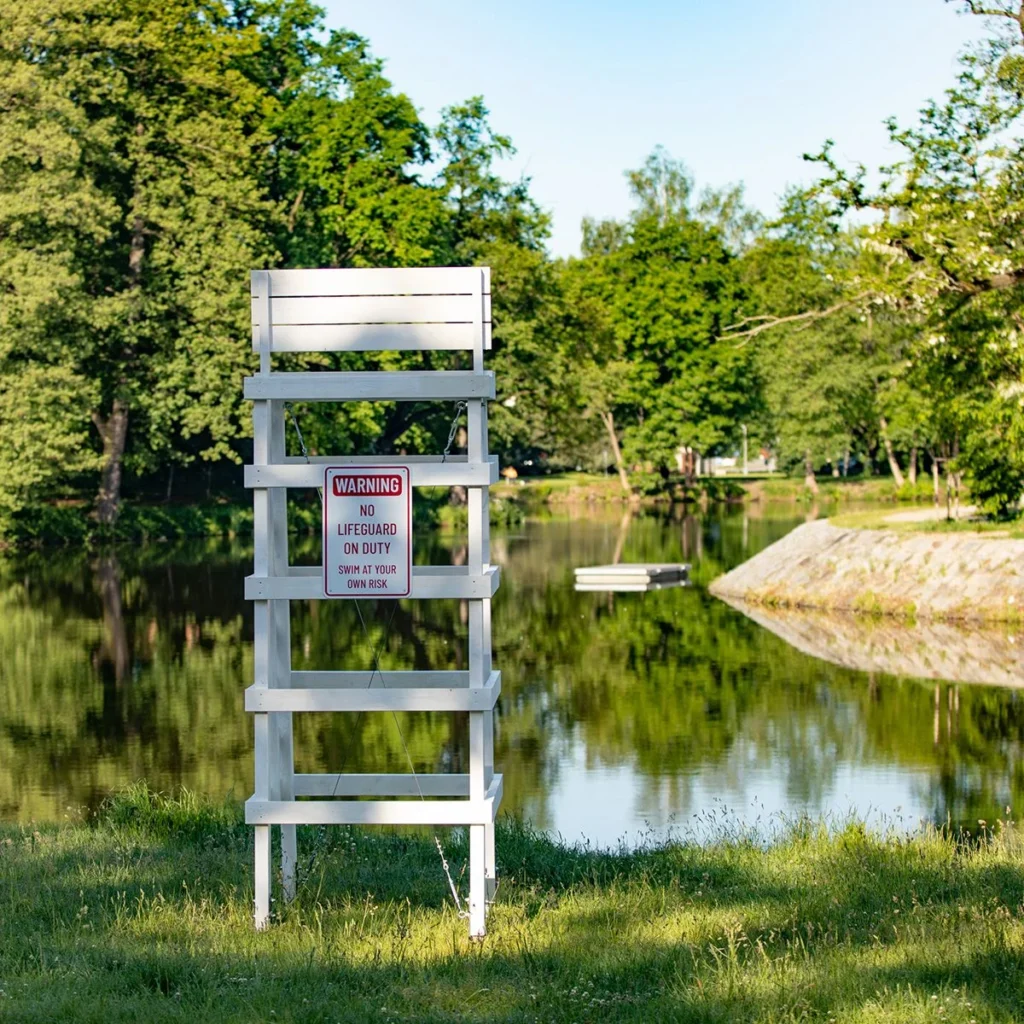
This year's edition is called AQUA — water. The Latin form of the name should be understood by Czech and foreign visitors alike. “It was an obvious choice,” says Michal Trpák. “Water, or rather its growing scarcity, is one of the central social subjects of our time and we meet it literally every day. So we want to show how Czech art reflects it, from playfulness to interventions with an ecological reach. But there are other reasons too. After all, the natural thread linking all the places where the festival takes place this year is the river Vltava — water again,” he suggests, “and besides that, experience has shown us that the most successful works in the past were often the ones connected in some way with water.”
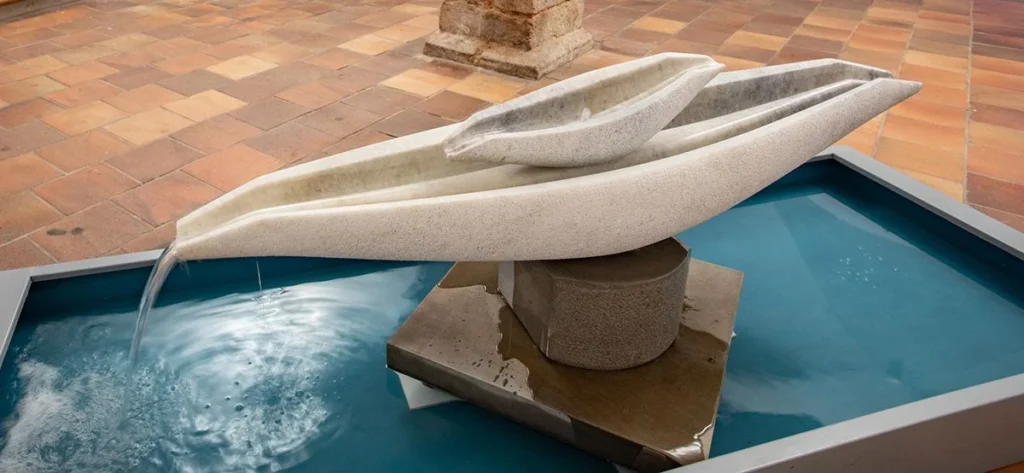
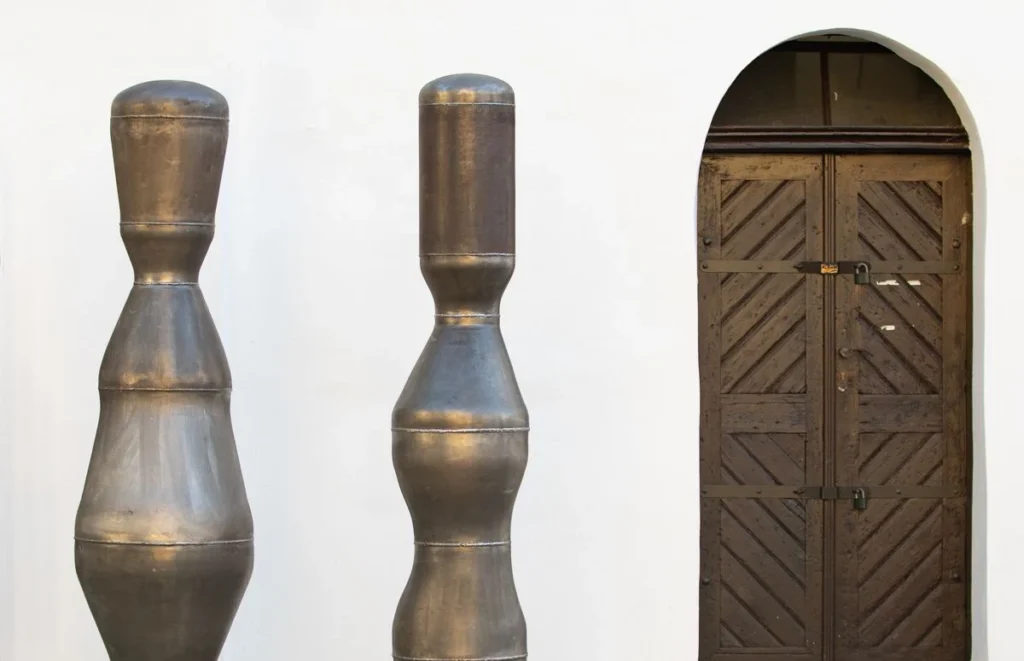
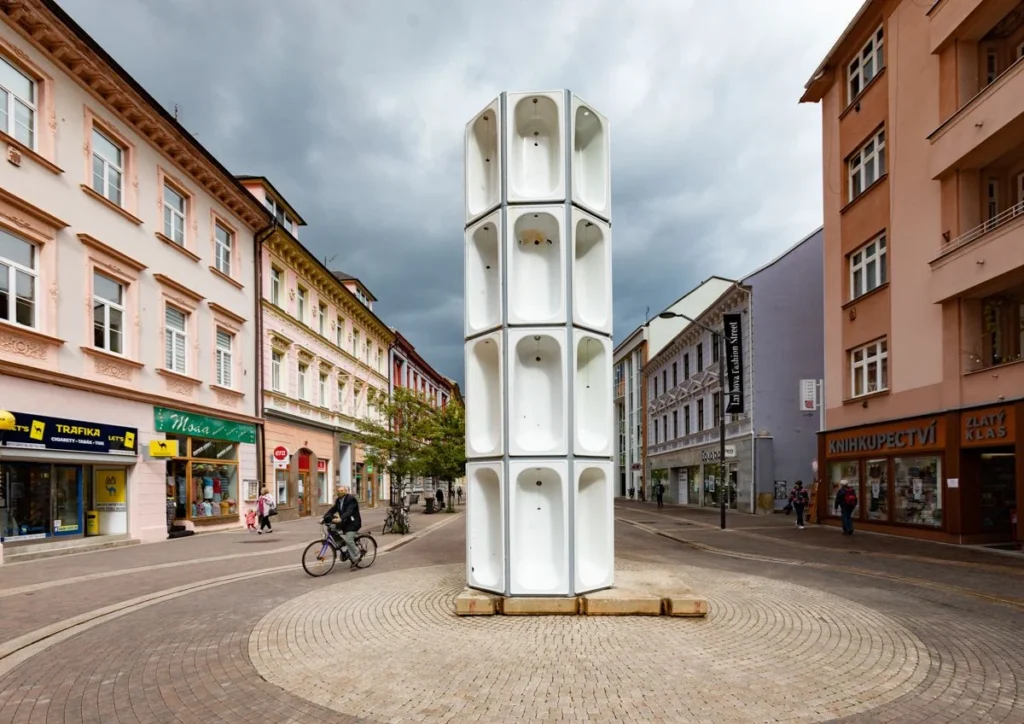
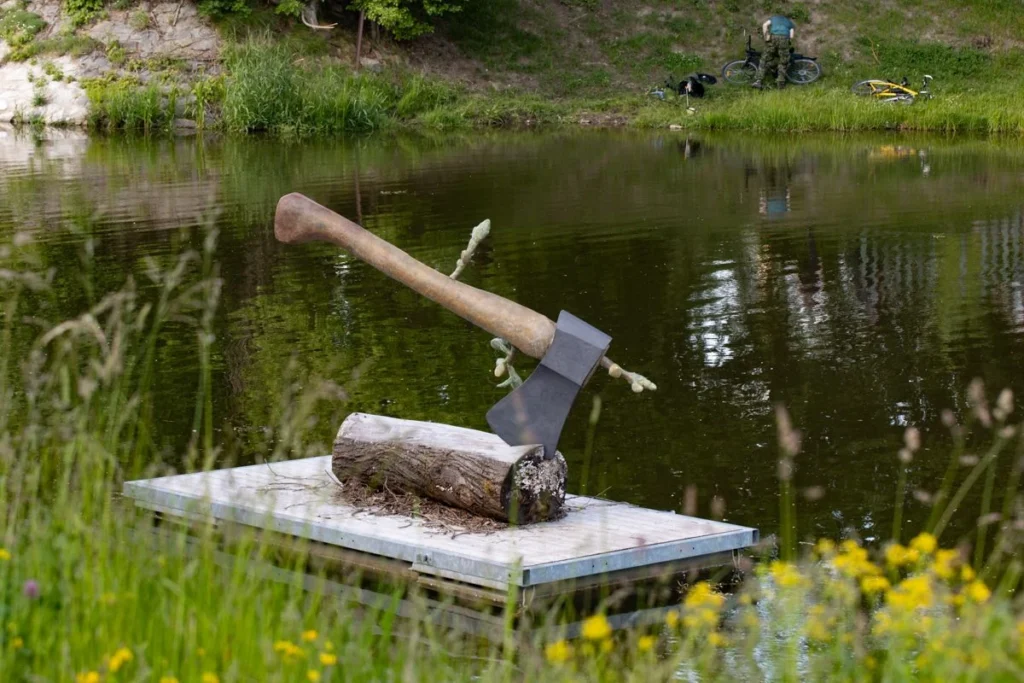
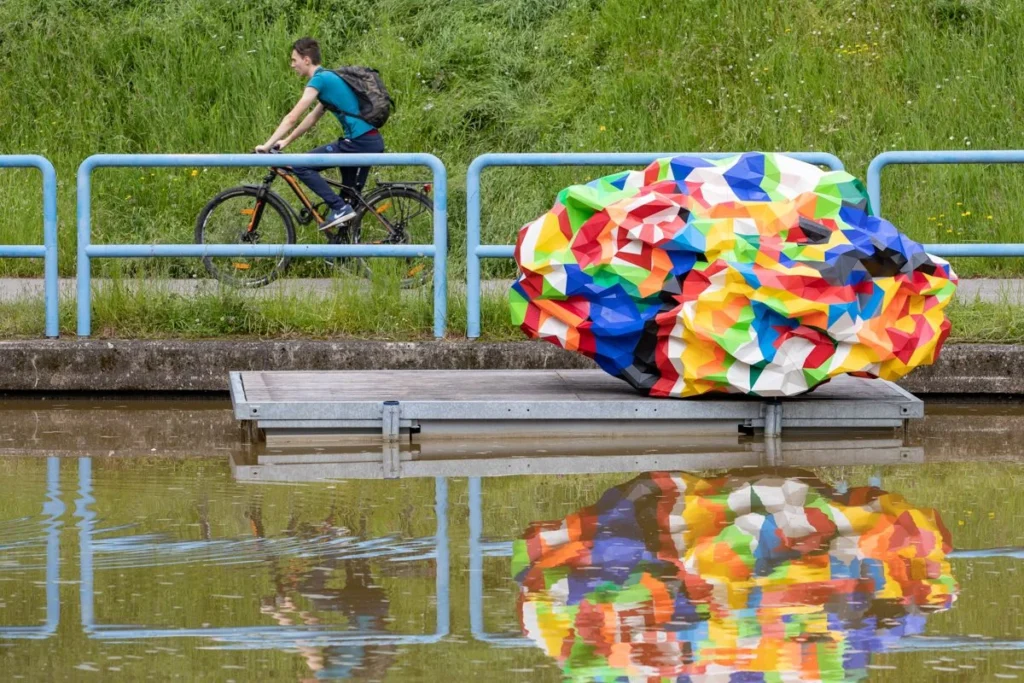
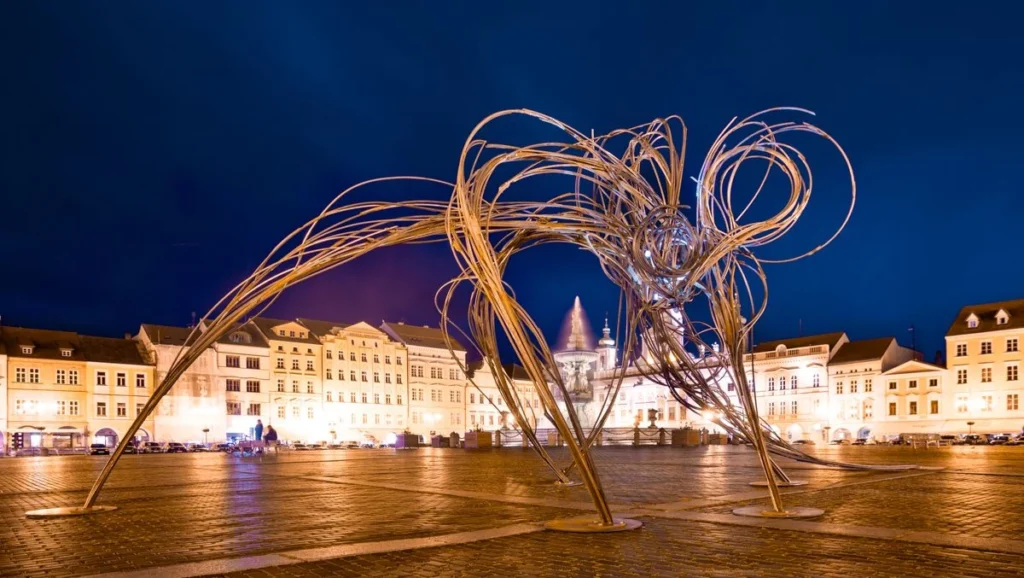
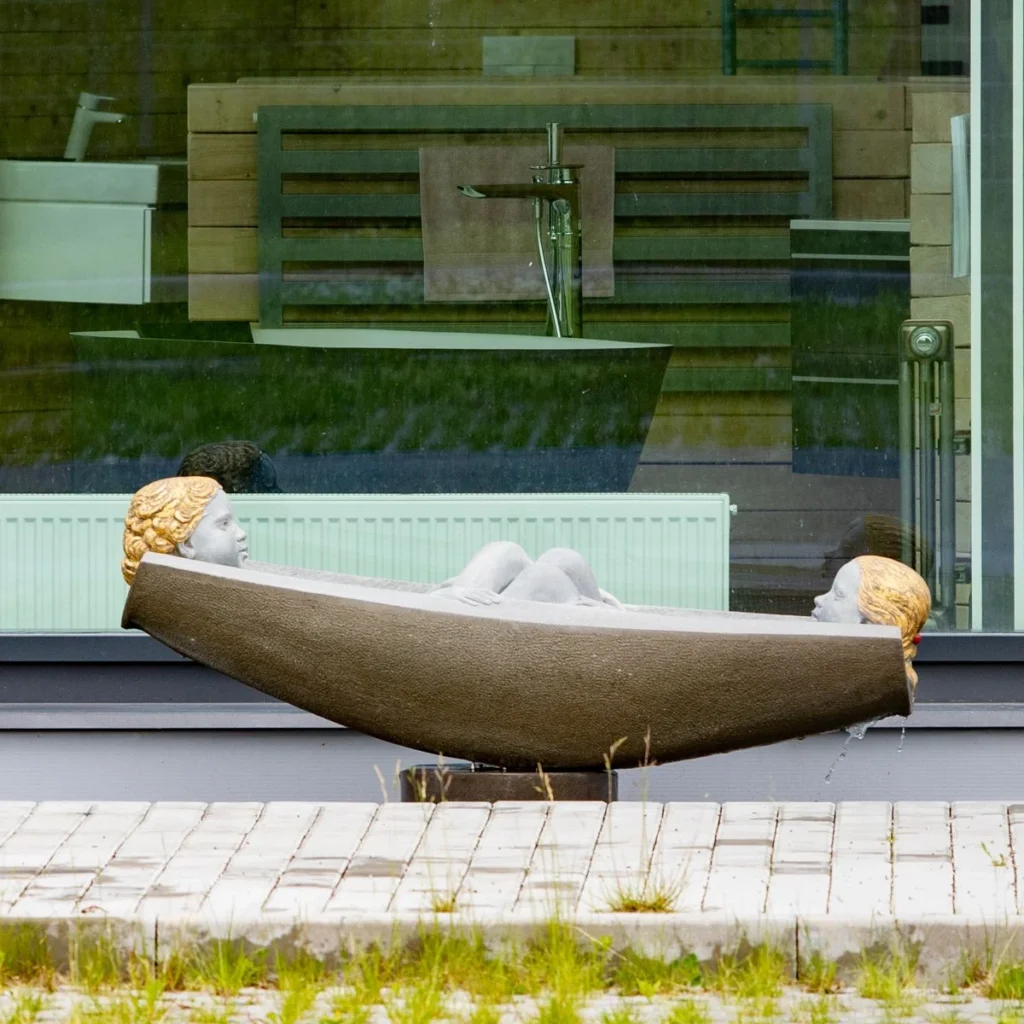
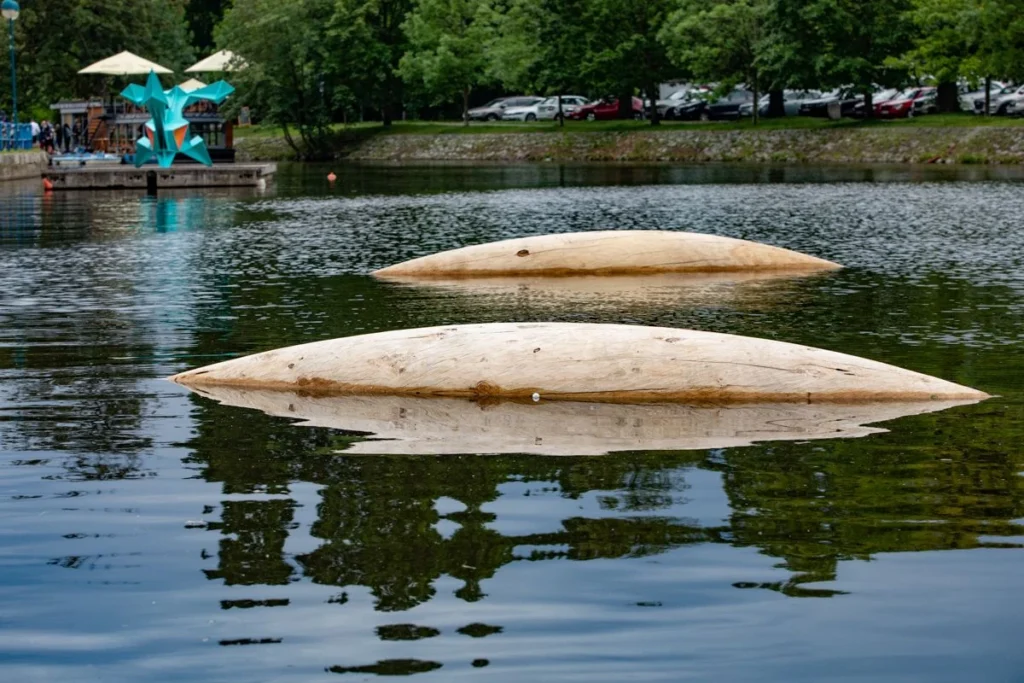
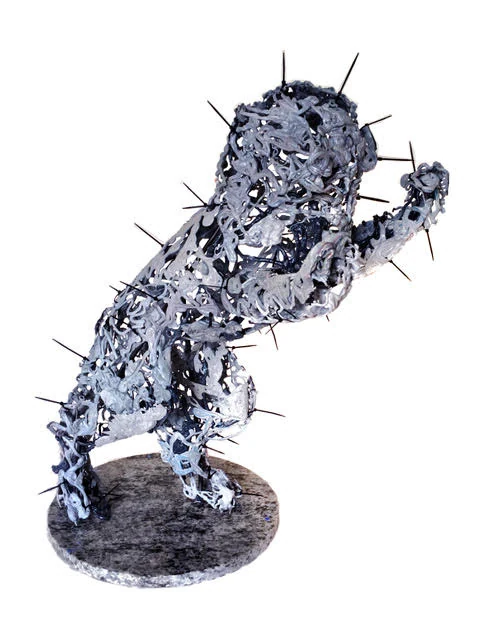
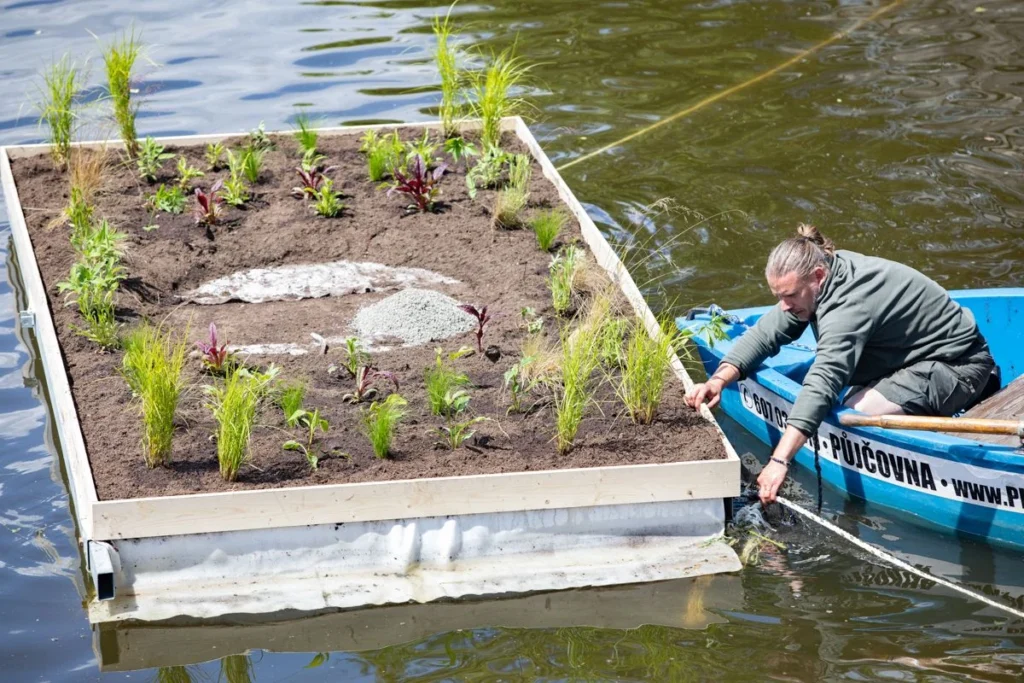
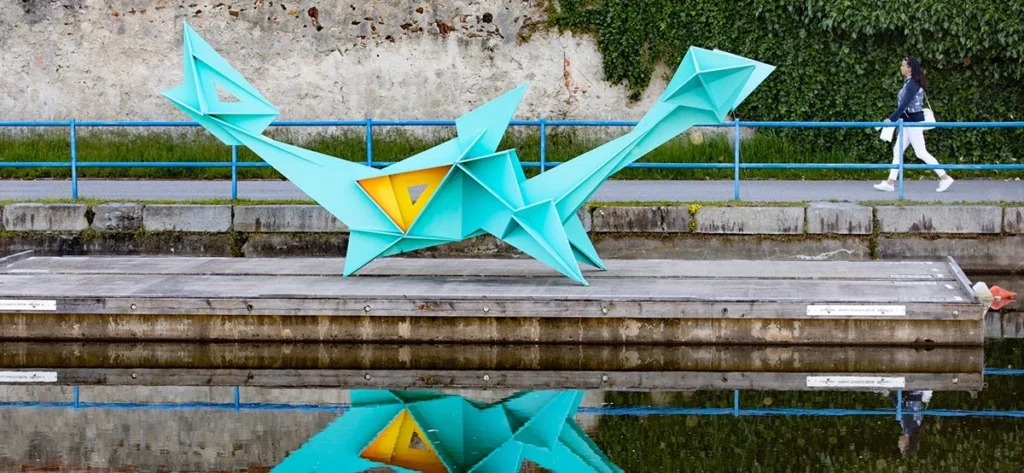
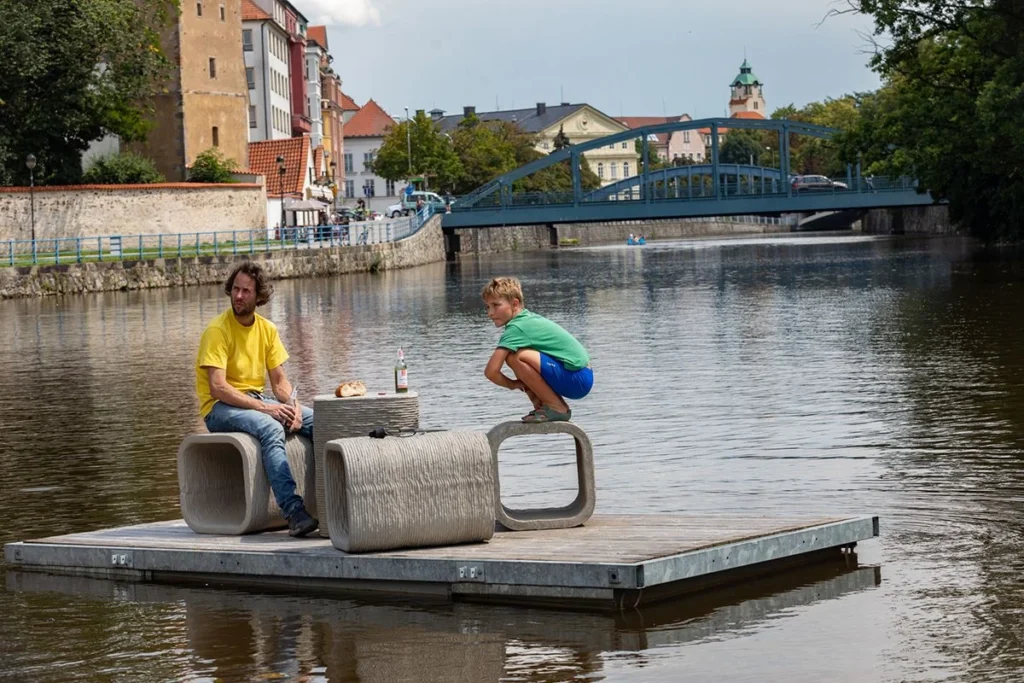
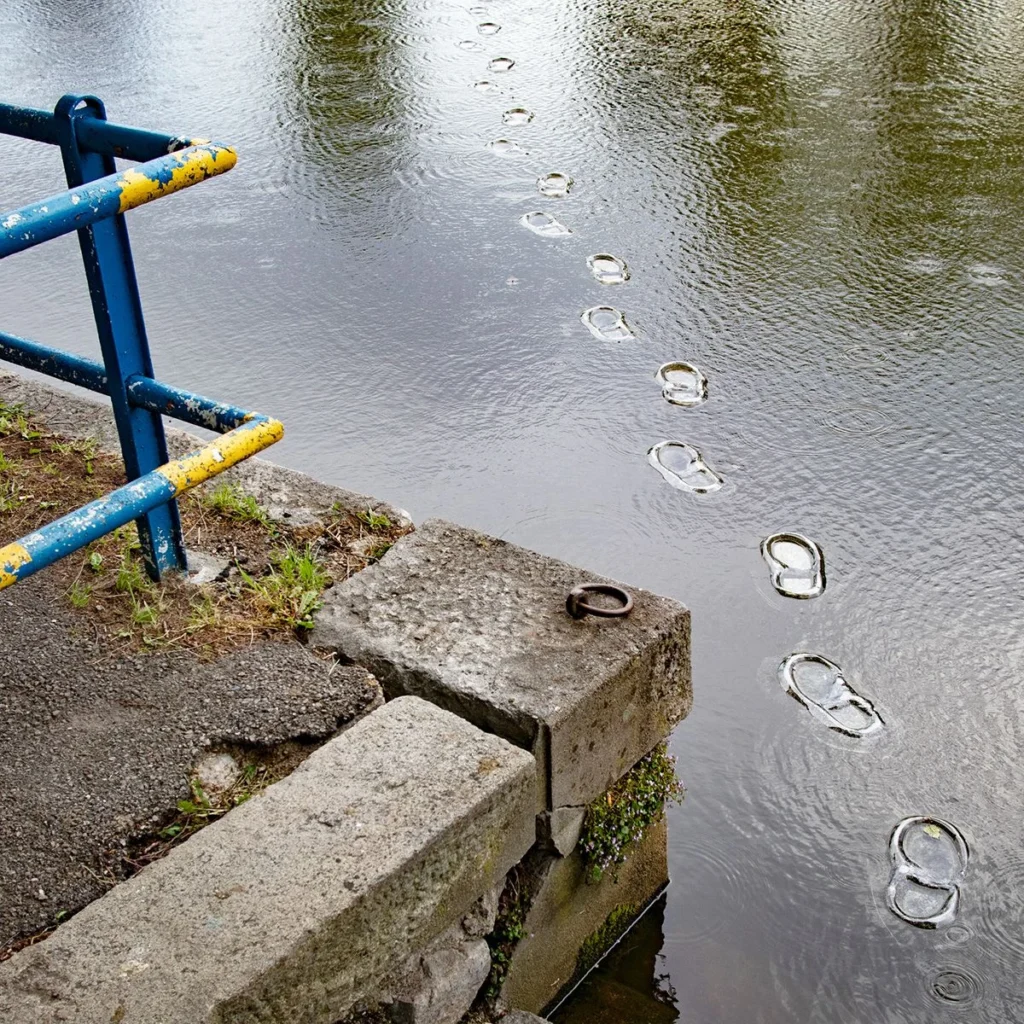
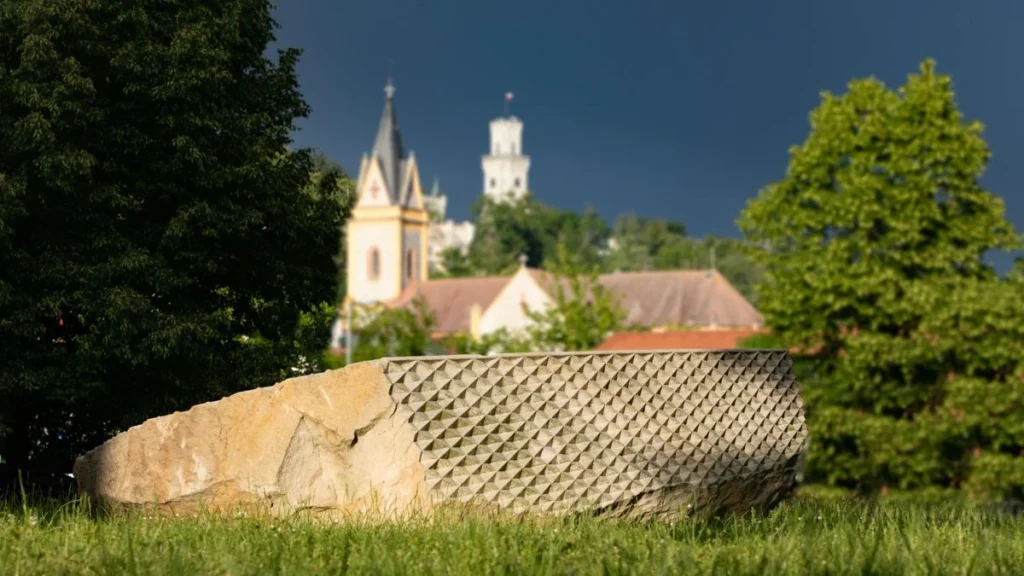
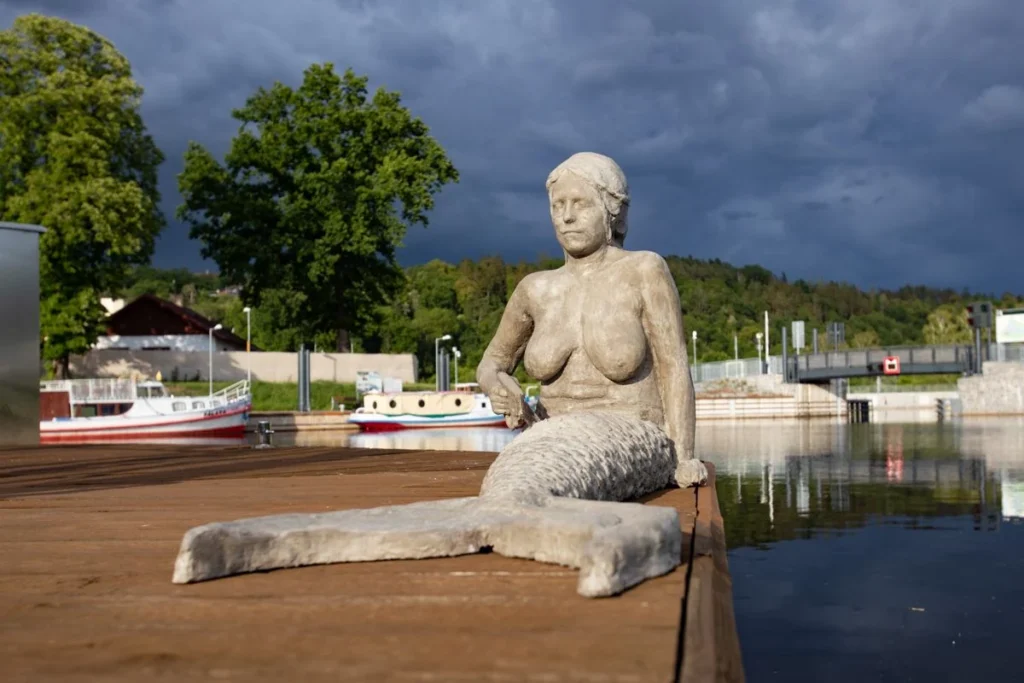
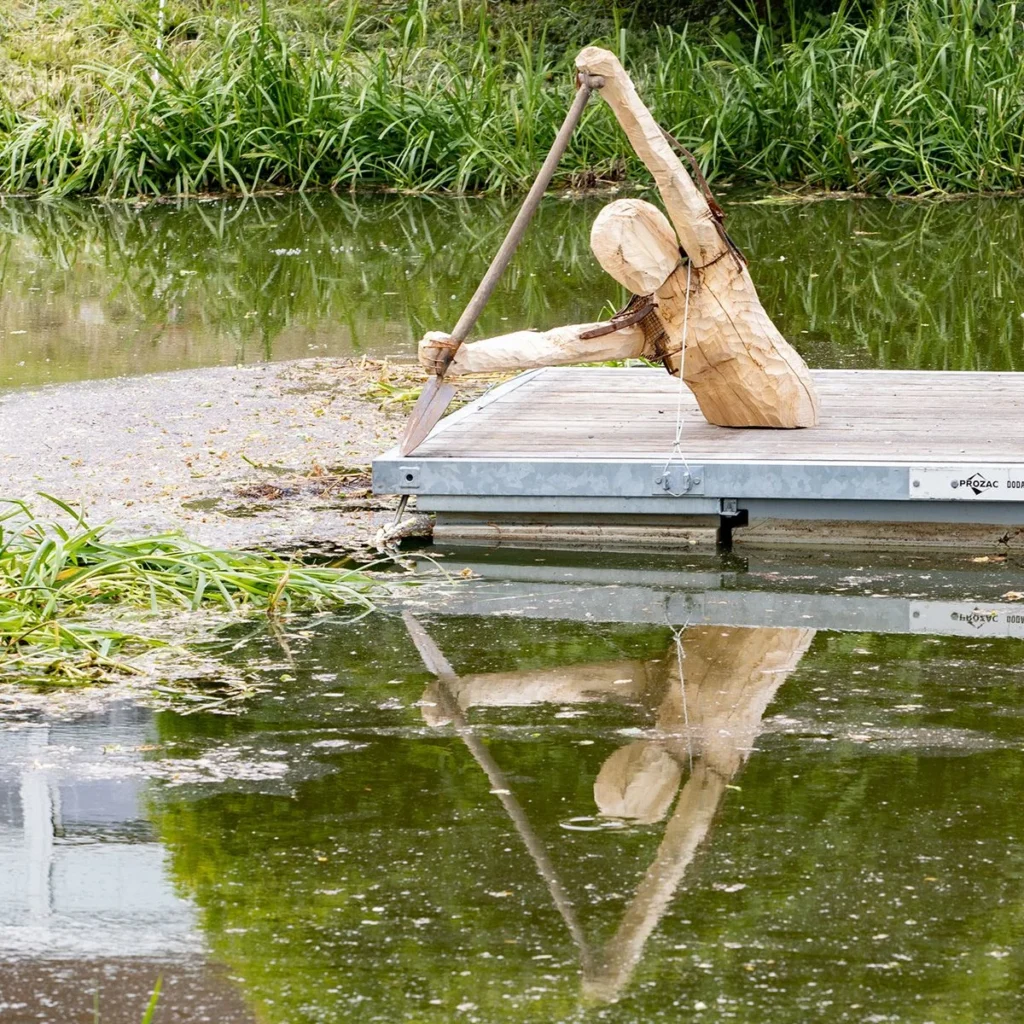
This time the art — sculptures, installations or artistic interventions — will therefore appear above all around bodies of water, on the banks of the river and even on its surface. Water itself may be part of some of the works; in others it may be referred to only symbolically, as a source of life. Zdeněk Ruffer, a graduate of the sculpture studio at the Academy of Arts, Architecture and Design in Prague, will look for traces on the surface of the river, while Josefína Jonášová will show what water can do to a sharpened axe.
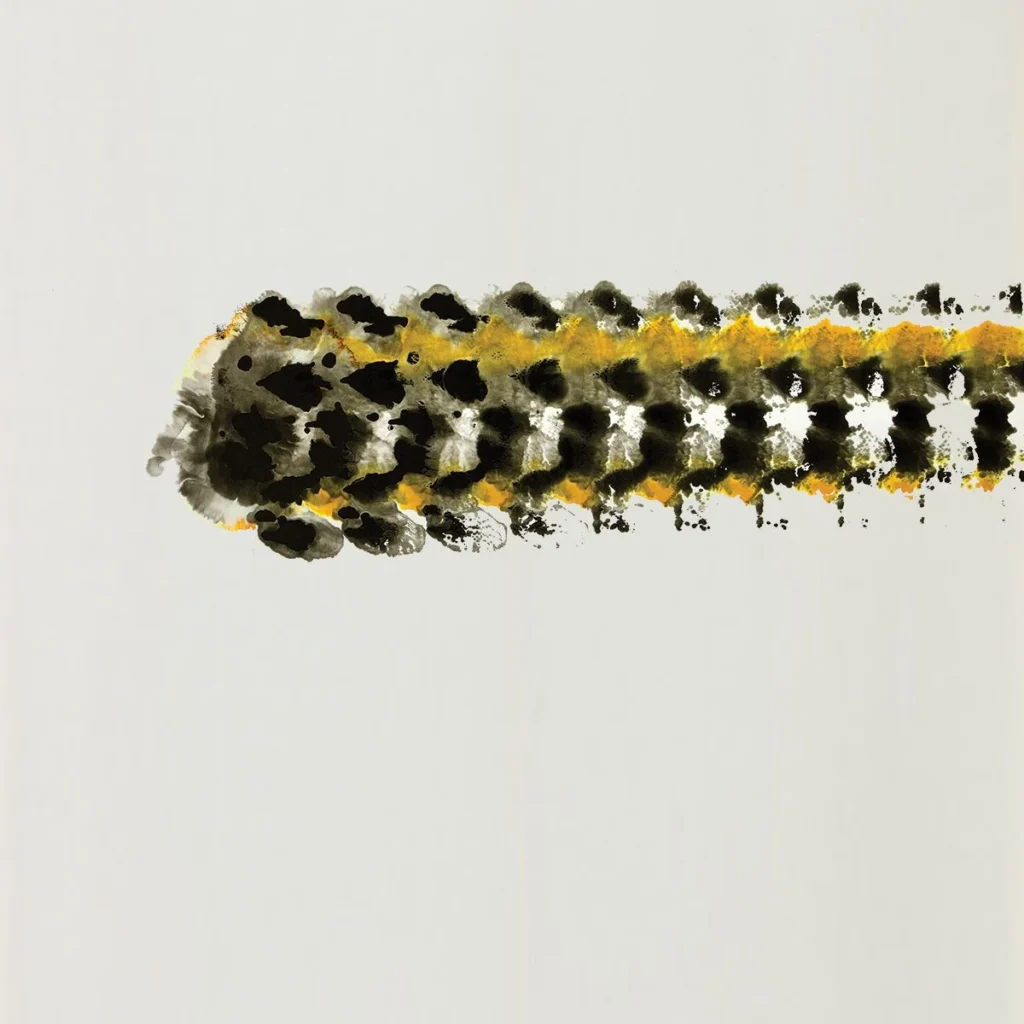
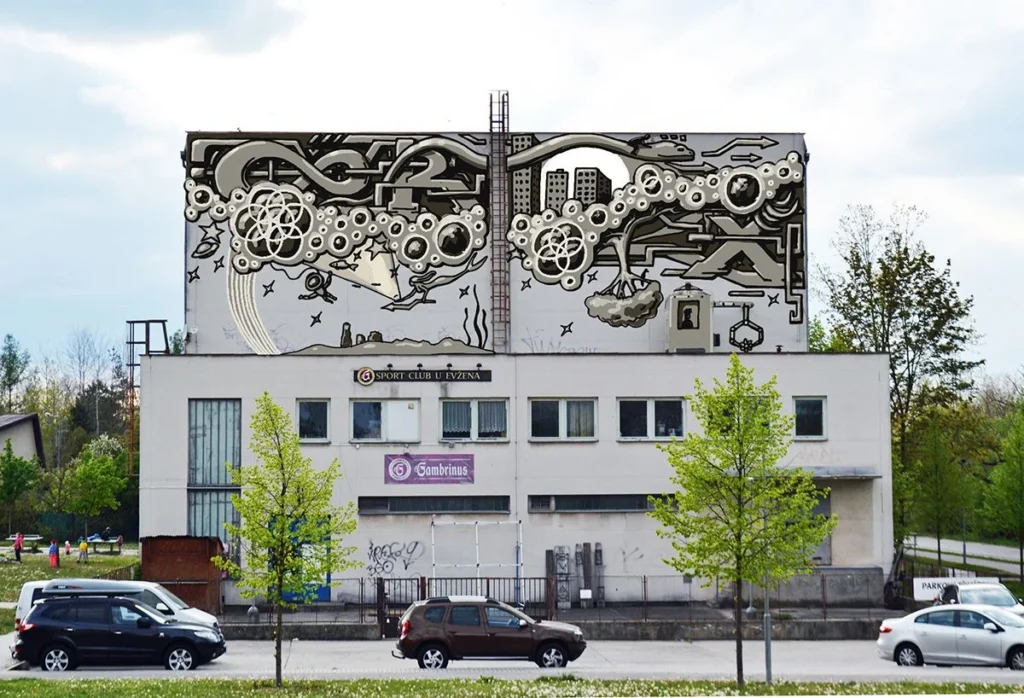
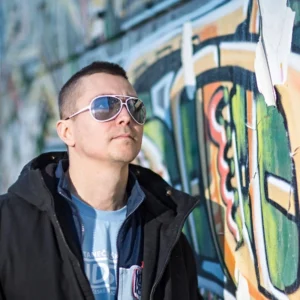
The graffiti scene will be represented by a genuine legend and his 3D object — Jan Kaláb, aka POINT. A large-format mural on the Máj housing estate will be made by the České Budějovice writer Jakub Štark. The element of water is also an ideal opportunity to present the work of the internationally recognised sculptor František Svátek, now settled in South Bohemia, for whom it is without exaggeration one of the themes of a lifetime. And not least, the new gallery R 2020 will open in České Budějovice as part of the festival, with an exhibition of Petr Nikl's bleeding ink paintings prepared by the respected Prague curator Radek Wohlmuth under the title From One Water, Clean.
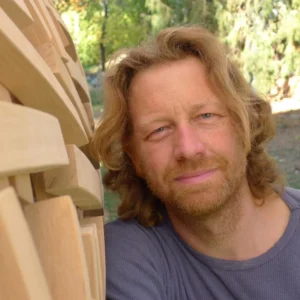
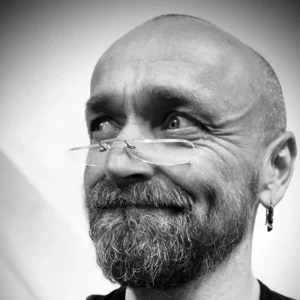
Michal Trpák
sculptor and founder of the exhibition